
Forex Trading Strategies for Beginners: Get Started
Every day, over $6 trillion is traded in the Forex market. This shows how big it is and the chances for traders. If you want to join in, you’re in the right place. This guide is all about Forex trading strategies for beginners. Its goal is to give you the essential knowledge, tools, and methods. This helps you start forex trading with confidence and deal with the busy markets well.
For new traders, TPT Forex is a great resource. It gives detailed advice and strategies for all skill levels. With TPT CopyTrading, beginners can copy the trades of pros. This makes learning faster and boosts your success chances.
Key Takeaways
- The Forex market sees over $6 trillion traded daily, providing numerous opportunities.
- Understanding the basics is crucial for anyone looking to start forex trading effectively.
- Utilizing resources like TPT Forex can offer invaluable assistance to beginners.
- TPT CopyTrading allows you to mirror the trades of experienced traders, easing your entry into the market.
- Structured strategies and careful planning are essential for long-term success in Forex trading.
Understanding Currency Trading Basics
Understanding currency trading basics is crucial before diving into trading strategies. This knowledge helps you navigate the forex market well.
What is Forex Trading?
Forex trading, or FX trading, is buying and selling currencies globally. The aim is to make a profit from the changing rates between pairs. It’s the biggest market, with over $6 trillion traded daily.
The Major Currency Pairs
The forex market focuses on major currency pairs. These are the most traded, with the highest liquidity. Here are some primary pairs:
- EUR/USD (Euro/US Dollar)
- USD/JPY (US Dollar/Japanese Yen)
- GBP/USD (British Pound/US Dollar)
- USD/CHF (US Dollar/Swiss Franc)
- USD/CAD (US Dollar/Canadian Dollar)
- AUD/USD (Australian Dollar/US Dollar)
How the Forex Market Works
The forex market operates round the clock, five days a week. It’s through financial institutions, brokers, like TPT Forex, and traders. This setup allows for trading globally. It includes elements like pips, lots, and spread.
| Component | Description |
|---|---|
| Pips | The smallest price movement in trading, usually $0.0001 for majors. |
| Lots | Standard trading size, with one lot being 100,000 units of the base currency. |
| Spread | It’s the difference between bid and ask price, a cost for traders. |
TPT CopyTrading aids novices by allowing them to copy seasoned traders. Knowing these basics makes trading in the forex market less intimidating.
Forex Market Analysis
Understanding Forex market analysis is key to smart trading choices. We discuss technical and fundamental analysis in forex trading. We also look at important analysis tools to boost your trading skills.
Technical Analysis vs. Fundamental Analysis
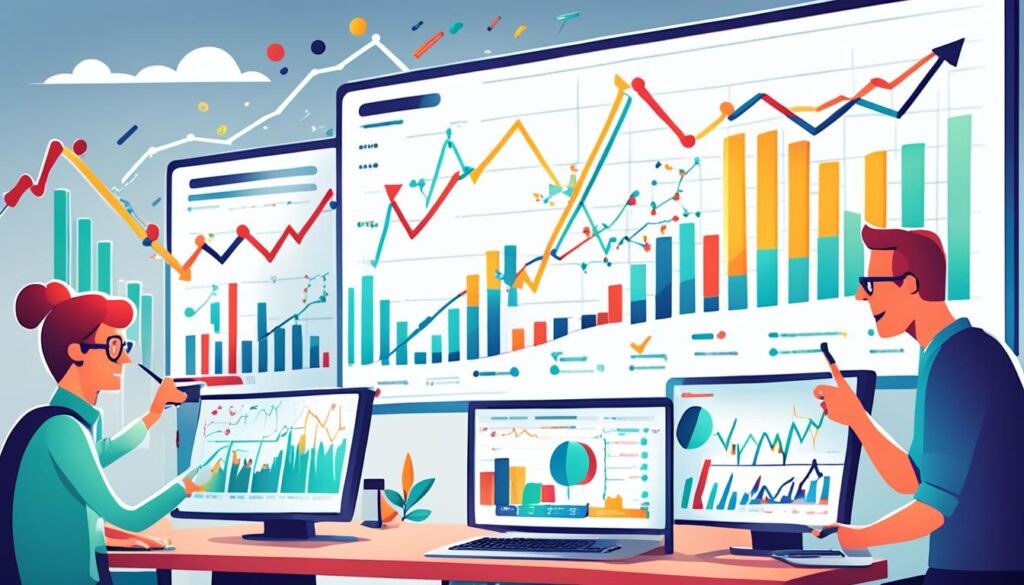
Technical analysis checks past market data, especially price and volume, to guess future prices. It uses charts and indicators to spot trends and entry or exit points. This type focuses on numbers and patterns, without looking at outside causes.
But fundamental analysis looks at the economy, finances, and other hard and soft facts that affect prices. It checks interest rates, job reports, GDP, and world events to judge a currency’s worth. By doing this, traders plan for the future and make smarter choices.
Popular Analysis Tools
In forex analysis, using the right tools is very important. Here are some top ones:
- TradingView: It’s a strong charting platform with many tech analysis tools and social options.
- MetaTrader 4/5: These are favorite trading platforms that offer great charts and many indicators.
- Bloomberg Terminal: For deep fundamental analysis, this pro tool has economic data and finance news.
- TPT Forex: This special platform gives both tech and fundamental insights for Forex traders.
- TPT CopyTrading: It lets traders copy the moves of successful forex experts, combining analysis types.
With a deep knowledge of technical analysis and fundamental analysis, combined with the best forex analysis tools, you can improve your strategies. This should result in better trading results.
Risk Management Techniques
Risk management in Forex protects you from the market’s ups and downs. It’s key to create a plan that reduces the chance of loss and increases gains.
Using stop-loss orders is one way to control risk. These orders close your trade at a set price, meaning you set the highest amount you’re willing to lose.
Another technique is to not invest everything in one place. By having your money in different trades and markets, you lower the chance of big losses.
Always invest money you wouldn’t worry about losing. This simple step is often forgotten. Before making any investment, know how much risk you’re comfortable with.
Bellow, you’ll find a table with common risk management strategies in Forex:
| Technique | Description |
|---|---|
| Stop-Loss Orders | Automatically close a position at a predetermined price to limit losses. |
| Diversification | Spreading investments across different markets to minimize risk. |
| Capital Allocation | Investing only what you can afford to lose. |
TPT Forex has tools such as TPT CopyTrading to make using these risk management strategies easier.
Recognizing Entry and Exit Signals
Knowing when to start and end trades is key for forex success. It means understanding market trends and using indicators to help you make choices.
Identifying Market Trends
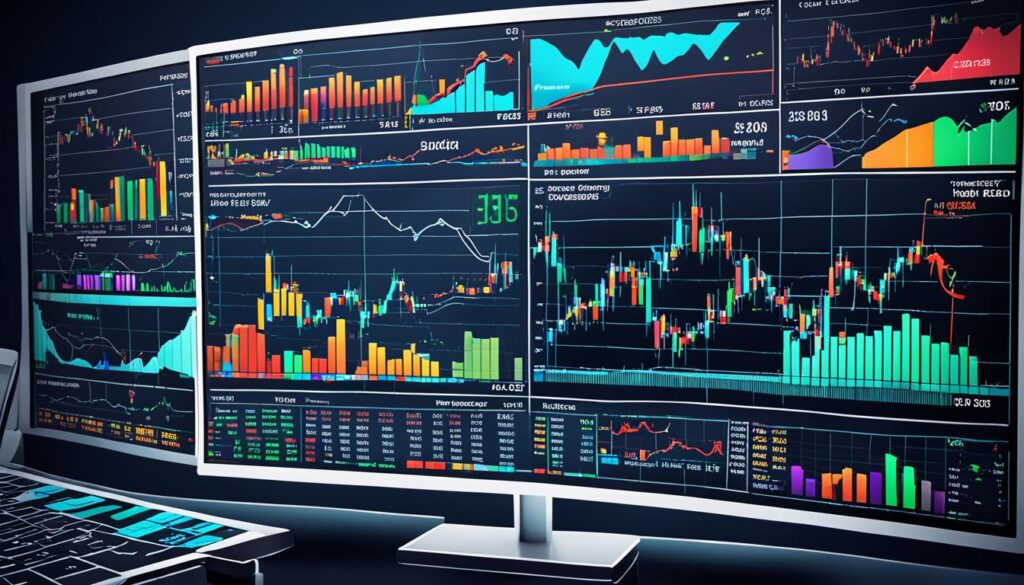
Market trends show where currency might go. By studying trends, you can follow the market’s direction and make more money. You should know about uptrends, downtrends, and sideways trends.
Using Signal Indicators
Forex indicators signal the best times to trade. They look at prices and market actions to give you an edge. Some common ones are moving averages, RSI, and Bollinger Bands.
For those starting, TPT CopyTrading lets you learn by following skilled traders. You can learn how they time their trades using these signals.
Combining market trends with good indicators can make your trading better. It can help you know when to enter and exit trades, boosting your performance.
Leverage and Margin Essentials
Leverage in Forex can boost your buying power, making forex trading very appealing. But it’s vital to understand margin too. This is key to knowing the full story of leveraging and its risks.
How Leverage Works in Forex
Using leverage in Forex lets you borrow money to increase your investment rewards. Brokers provide different leverage ratios, such as 50:1 or 100:1. This means you can trade big with just a small amount of your own money.
A look at common leverage ratios and what they mean:
| Leverage Ratio | Control Amount | Required Margin |
|---|---|---|
| 50:1 | $50,000 | $1,000 |
| 100:1 | $100,000 | $1,000 |
| 200:1 | $200,000 | $1,000 |
The Role of Margin in Trading
In forex trading leverage, margin is the needed deposit to open and keep bigger positions. It acts as a safety net for any potential losses.
Margin requirements change based on the trade’s size, currency pair, and the broker’s rules. Knowing these is vital for managing your trading risks.
Understanding leverage and margin lets you use tools like TPT Forex and TPT CopyTrading well. This helps maximize your profits while minimizing risks.
Technical Analysis Indicators
Understanding technical indicators in Forex is vital for traders who want a market edge. They help assess market conditions. This makes your trading decisions more informed. We’ll explore Moving Averages, MACD, and RSI. These help understand market trends and possible future moves.
Moving Averages turn price data into a single line. This makes spotting trends easier. They’re excellent for chart analysis. They show trend directions and changes. You can choose between Simple Moving Averages (SMA) for a basic look or Exponential Moving Averages (EMA) for quicker updates.
“The Moving Average Convergence Divergence (MACD) is a tool for following trends. It predicts new trends, bullish or bearish.”
MACD is found by taking the 12-period EMA away from the 26-period EMA. It’s great for finding when to buy or sell. A bullish signal is when MACD crosses above the signal line. It’s time to buy. A bearish signal is when it crosses under. Selling might be wise.
The Relative Strength Index (RSI) shows how fast prices are changing on a 0 to 100 scale. It’s useful for finding overbought or oversold markets. An RSI over 70 means it’s overbought. This could signal a price drop soon. An RSI under 30 suggests it’s oversold. Prices might rise.

Using these technical indicators in Forex improves your market trend analysis. It helps you make better decisions. Whether you’re into TPT Forex or TPT CopyTrading, knowing these tools is key to trading success.
Fundamental Analysis Factors
It’s key to know what affects the value of a currency in Forex trading. Fundamental analysis in Forex helps predict moves based on economic and political events. This info guides smart choices and spots chances in the market.
Economic Indicators
These are stats that show how well a country’s economy is doing. They are critical for understanding currency strength and the economic impact on trading. Important indicators are:
- GDP (Gross Domestic Product): Shows a nation’s total economic output and its economic health.
- Inflation Rates: Tells how fast the prices of goods and services are going up.
- Unemployment Rates: Shows the proportion of the workforce without a job but looking for one.
- Interest Rates: Changes in these rates set by a country’s central bank can change currency values a lot.
Geopolitical Events
Global events can have big and wide effects on currency markets. These events include politics, policies, natural disasters, and wars that influence economic impact on trading. Important things to look at are:
- Political Stability: Nations with steady governments often have stronger currencies. But shaky politics can lower a currency’s value.
- Trade Policies: Things like changes in rules, tariffs, and trade deals can change a currency’s worth.
- Global Conflicts: Wars, political fights, and worldwide economic restrictions can shake up the market and how much currencies are worth.
- Natural Disasters: Big natural events can mess up economies and the way goods are traded, affecting currency prices.
Staying informed about these fundamental analysis in Forex points helps read market trends better and improves your trading strategies. Look into services like TPT Forex and TPT CopyTrading. They give expert insights and signals. This can make your trading choices better.
Demo Account Practice
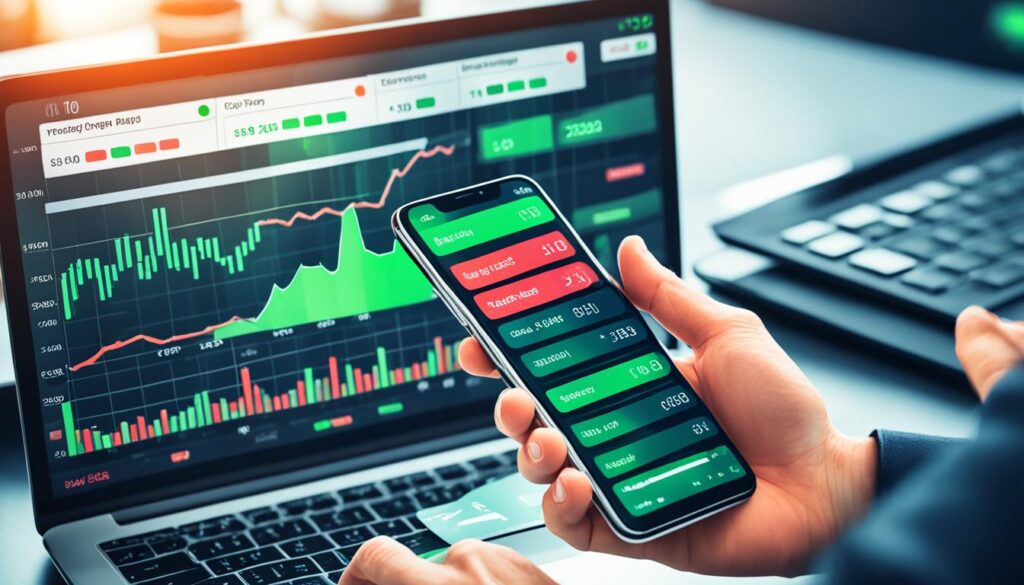
A demo account is great for both new and experienced traders. It lets you learn the platform, know the market, and improve your strategies without risks. Here’s how a Forex demo account can make your trade better.
Benefits of Using a Demo Account
The big plus of a demo account is you learn without real money at stake. Here’s what you can do:
- Feel real-time market changes
- Try and make your strategies better
- Get more confident before real money is on the line
Trading platforms like MetaTrader 4 and tools like TPT CopyTrading offer demo accounts. They let you practice buying and selling, look at charts, and plan your trades.
Transitioning to a Live Account
When you’re ready, moving to live trading needs planning. Here’s what to do:
- Begin with a little bit of your money to manage risks better.
- Write down what you do to see what works and tweak your plans.
- Stick to your plan and manage risks to avoid making decisions with your emotions.
This step-by-step process helps you move from a demo to trading for real. It increases your chances of doing well in the Forex market.
Trading Psychology Tips
Understanding Forex trading psychology well can make your trading efforts more successful. We will talk about key rules to handle feelings and make a solid trading plan.
Managing Emotional Reactions
Keeping your emotions in check is key to smart trading. It stops you from making bad decisions when the market is unpredictable. Here are some ways to keep calm:
- Practicing mindfulness and staying calm during trades.
- Setting predefined entry and exit points to avoid impulsive decisions.
- Regularly reviewing and reflecting on your trading performance.
Developing a Trading Plan
Making a plan for forex trading is important. It keeps you on track in the market. A good plan has the following:
- Clear trading goals and objectives.
- Defined risk management strategies, including stop-loss and take-profit levels.
- Continuous market analysis to identify trends and opportunities.
Platforms such as TPT Forex and TPT CopyTrading help traders fine-tune their plans. They also encourage discipline. Let’s see how these platforms compare in aiding your trading psychology:
| Feature | TPT Forex | TPT CopyTrading |
|---|---|---|
| Market Analysis Tools | Advanced charting and indicators | Real-time copying of expert trades |
| Risk Management Options | Customizable stop-loss levels | Automated risk adjustments |
| Trader Support | 24/7 customer service | Exclusive access to expert insights |
By learning about Forex trading psychology, mastering your emotions, and building a trading plan, you set yourself up for success. This leads to growth and lasting wins in the Forex market.
Conclusion
Starting your forex journey means keeping the key points in mind. Learn the basics and how to spot good trade signals. These are vital for trading well.
Keep learning and trading smartly. Learn how to analyze the forex market and manage risks. Also, try out your skills on demo accounts with TPT Forex.
Keeping your cool and having a solid trading plan matter a lot. Control your emotions and learn from both technical and fundamental analysis. As you finish this guide, stay dedicated to learning and smart trading. This way, you’re ready for a successful time with TPT CopyTrading.